zetgifari
- October 22, 2026
Megaways Mechanic In Video Poker: A Practical Look At Cluster-Based Card Games
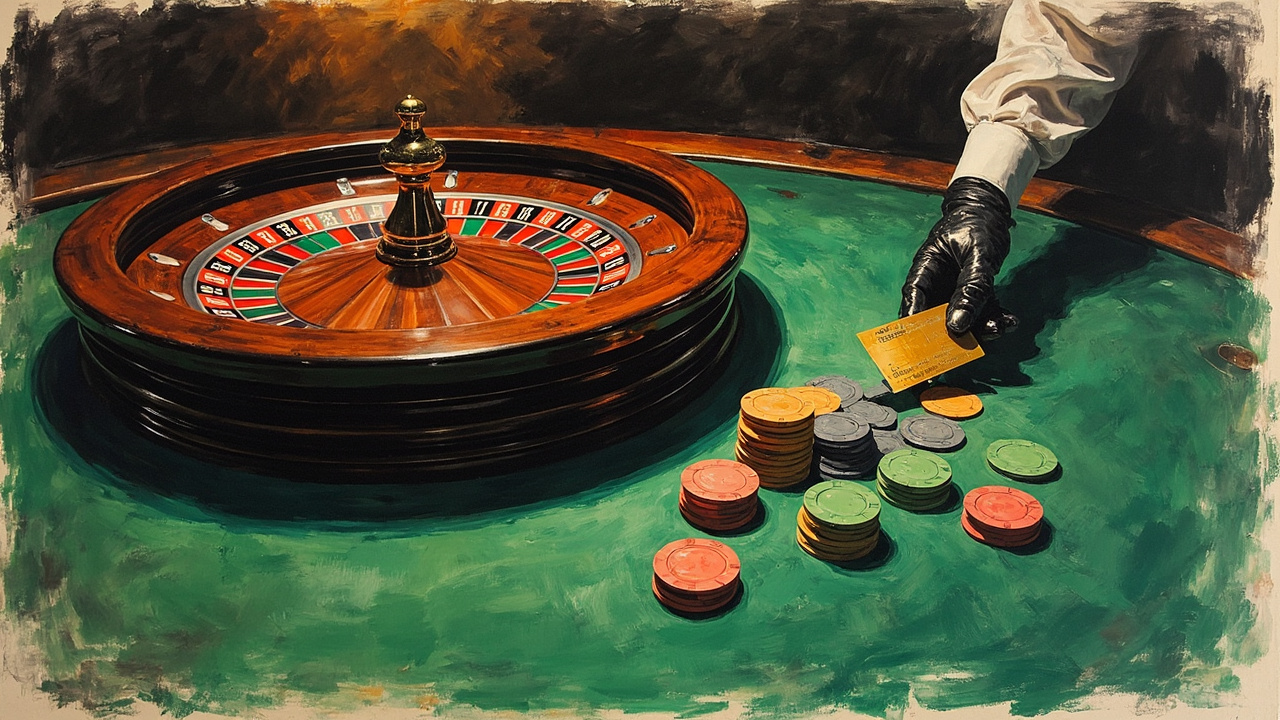
Megaways mechanic in video poker is still finding its footing on Australian screens, and the way it reshapes paylines into cascading clusters deserves a measured look rather than a hype cycle. I’ve traded sportsbook markets long enough to know that feature density only matters when the underlying maths and interface actually hold up under real betting conditions. For locals logging on after work, the experience hinges on how a platform handles local currency, navigation, and those little friction points that decide whether you keep playing or close the tab. A solid rocketplay review pros cons usually surfaces the same pattern: polished presentation, but the real test is whether the mechanic translates into sensible session pacing rather than endless spin loops.
Card Cluster Behaviour And Payline Trade-Offs
The core shift here is straightforward: instead of fixed lines, you’re watching ways-to-win expand and contract across reels, then mapping that volatility onto a video poker hand hierarchy. From a product standpoint, that means the hit frequency changes session to session, and the feature rounds need clear entry conditions so players understand what they’re actually risking. I’ve seen trading desks price in similar variance swings, and the same discipline applies here – if the cluster logic isn’t transparent, the bonus triggers feel arbitrary rather than calculated. Matilda Carter, Head of Product, Murray River Gaming Research, puts it plainly: “Cluster-based card layouts can widen engagement, but only when the paytable and reel behaviour are explained in the same screen, not buried behind a second menu.” For an Australian operator, that means keeping the paytable visible in Aussie dollars, showing the current ways count before each deal, and making sure the draw step doesn’t hide the actual odds behind animated flourishes. The trade-off is real: more ways to land a combination usually means lower base hit rates, so the mechanic rewards patience and bankroll discipline rather than quick, repeated pushes.
Interface, Localisation, And Everyday Usability
A mechanic like this only lands when the screen reads cleanly on a phone and the localisation doesn’t feel bolted on after the fact. Navigation should let you jump between the video poker variants, adjust stake steps, and check the current cluster configuration without hunting through nested menus. Language and currency need to stay consistent throughout – AUD pricing, local term usage, and help text that doesn’t read like a translated template. When I’ve audited sportsbook product flows, the same rule applies: if a player has to second-guess the stake slider or the bet confirmation step, the feature gets blamed for a design problem. A short demo run can settle a lot of that guesswork before you commit any real balance, and reading a video poker demo play for smarter casino entertainment piece often highlights how the same layout behaves when you’re just testing the controls. For Newcastle players dropping in on an arvo, that means quick load times, a search bar that actually surfaces the right variant, and support that answers in plain English rather than canned scripts. The usability ceiling is usually set by how well the operator handles stake limits, session reminders, and clear display of the current ways count.Video Poker Demo Play For Smarter
Comparing The Numbers: Cluster Variance Versus Fixed Lines
When you line up a cluster-based video poker setup against a traditional fixed-line deal, the differences show up in hit frequency, feature entry rate, and how the paytable scales across stake steps. The table below keeps the comparison tight so you can see where the mechanic adds variability and where it simply reshuffles the same card hierarchy.
| Comparison Point | Cluster-Based Video Poker | Fixed-Line Video Poker |
|---|---|---|
| Ways to win | Expands and contracts per spin | Set lines, predictable coverage |
| Base hit frequency | Typically lower, more variance | Generally higher, steadier rhythm |
| Feature entry | Tied to cluster triggers and scatter rules | Usually bonus-buy or fixed trigger |
| Paytable clarity | Needs on-screen ways display | Standard paytable, familiar layout |
| Stake pacing | Benefits from smaller step sizes | Works with wider step ranges |
That comparison isn’t a verdict on which style wins; it’s a reminder that the megaways mechanic in video poker changes how you plan a session, not the underlying card rankings. Leo Campbell, Strategy Director, Gold Coast Gaming Network, notes the practical side: “Operators who treat cluster variance as a pacing tool rather than a novelty tend to keep players longer, because the stake steps and feature rules actually match the way people bet after work.” For a local market, that means AUD-denominated limits, clear bet confirmation, and a layout that doesn’t hide the current ways count behind a pop-up. The trade-off is that the feature can feel slower on the base game, so the session rhythm depends on whether the operator balances animation, delay, and stake granularity.
Limits, Session Pacing, And Responsible Play
No feature survives contact with real bankroll management, and cluster-based video poker is no exception. The bigger ways count can make a losing streak feel longer because the base game hit rate shifts, so the sensible approach is redbaronpokies.net to treat stake steps as a pacing tool rather than a way to chase the next cluster trigger. I’ve priced markets where the variance spike was obvious on the chart, and the same discipline applies here: set a session limit, watch the ways display, and don’t let animated feedback rewrite the maths in your head. Local operators need to make that easier with visible limit tools, plain-language session reminders, and support that doesn’t dodge the actual question when you ask about stake steps or feature rules. For a Newcastle punter playing after shift, that means a clean deposit flow in AUD, quick access to responsible-play controls, and a screen that shows the current cluster configuration without forcing you to dig through settings. The mechanic works best when the platform treats it as a pacing layer, not a promise of longer play or better returns.rocketplay review pros cons
Keeping sessions within a predefined range helps you isolate whether the cluster mechanics actually improve decision quality. For a clean look at how these patterns behave outside of live money pressure, you can review the breakdown at [demo video poker]https://gunsandmagz.com/articles/video-poker-demo-ec3f. When the variance inevitably swings, that disciplined pacing keeps the focus on long-term structure rather than short-term recovery.

The cluster approach changes how video poker feels on screen, but it doesn’t rewrite the card hierarchy or remove the need for steady stake management. For Australian players, the real question is whether the platform keeps the paytable clear, the currency local, and the navigation quick enough to actually use on a phone. Treat the mechanic as a pacing layer, check the ways display before you deal, and let the session length follow your limit rather than the animation.